Entry Door vs. Storm Door: Which One Does Your Alabama Home Actually Need?

A Practical Guide for Montgomery Homeowners on Doors, Humidity, and Alabama Storm Season
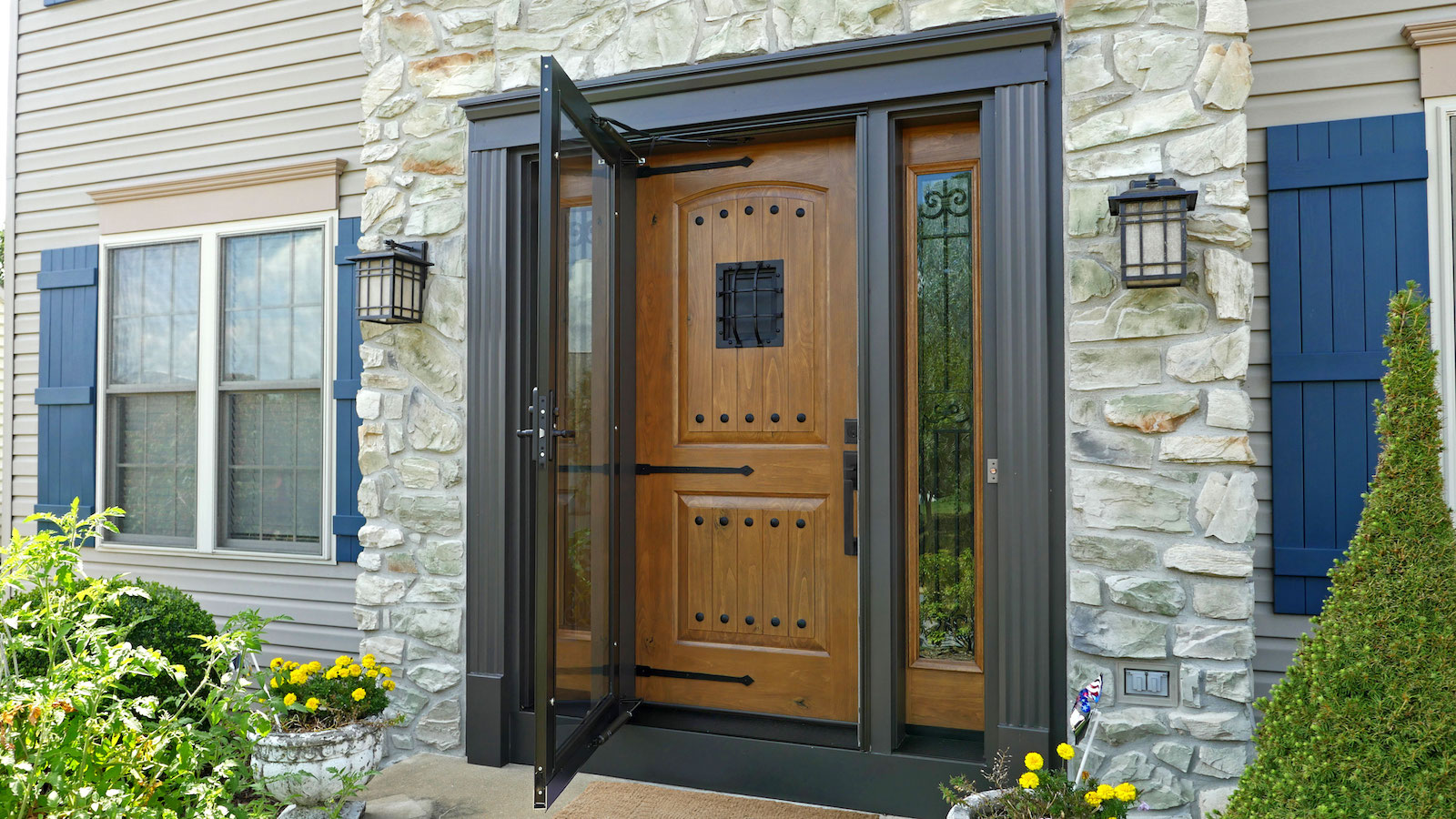
Walk up to almost any home in the Montgomery area and you'll likely see one of two things at the front: a solid entry door, a combination of an entry door and a storm door, or — in some cases — just a screen door that's been there since the Clinton administration.
If you've been wondering whether you need a storm door, a new entry door, or both, you're not alone. It's one of the most common questions we get at Davis Door & Sash, and the answer genuinely depends on your home, your goals, and the very specific climate demands of living in Central Alabama.
What Is an Entry Door?
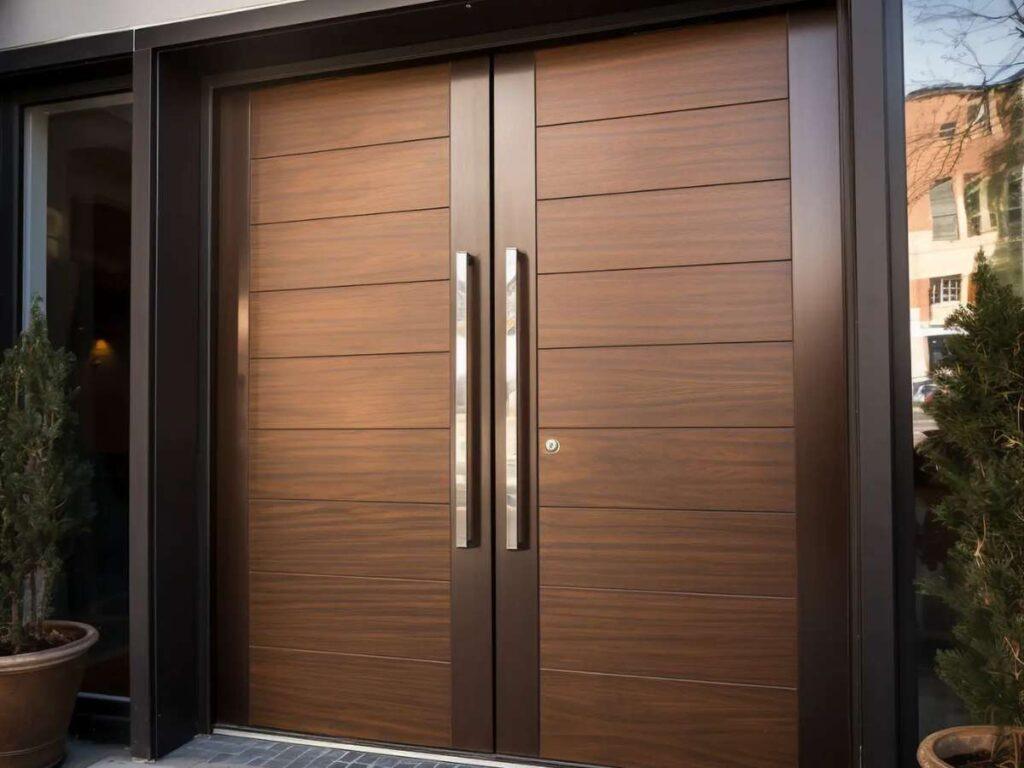
An entry door — sometimes called a front door or exterior door — is your home's primary barrier between the inside world and the outside one. It provides security, insulation, weatherproofing, and a large chunk of your home's curb appeal.
Entry doors in Alabama come in a range of materials: fiberglass, steel, and wood are the most common. Each has pros and cons, but in Alabama's climate,
fiberglass entry doors tend to be the most practical long-term choice. Here's why: wood expands and contracts with humidity (and Alabama has plenty of it), while fiberglass holds its shape, resists moisture, and can be engineered to look exactly like real wood grain without the warping issues.
A quality entry door should:
- Seal tightly against the frame — no drafts, no light gaps
- Be properly insulated to block summer heat and winter cold
- Have a robust locking system for security
- Complement your home's exterior style
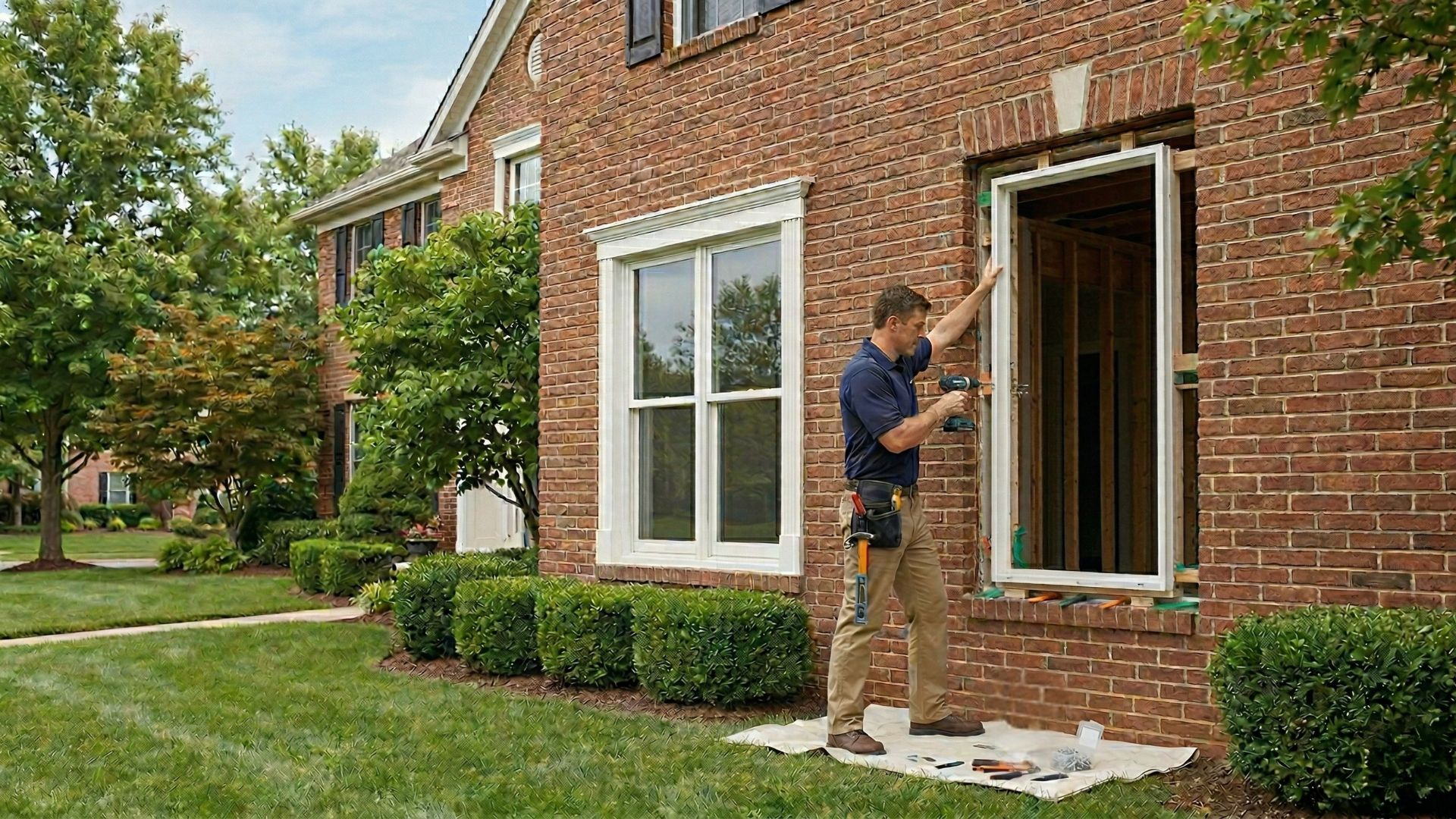
If your current front door is letting in drafts, showing daylight around the edges, is difficult to open or close, or is simply worn out — it's time to talk about
entry door replacement in Montgomery, AL.
What Is a Storm Door?
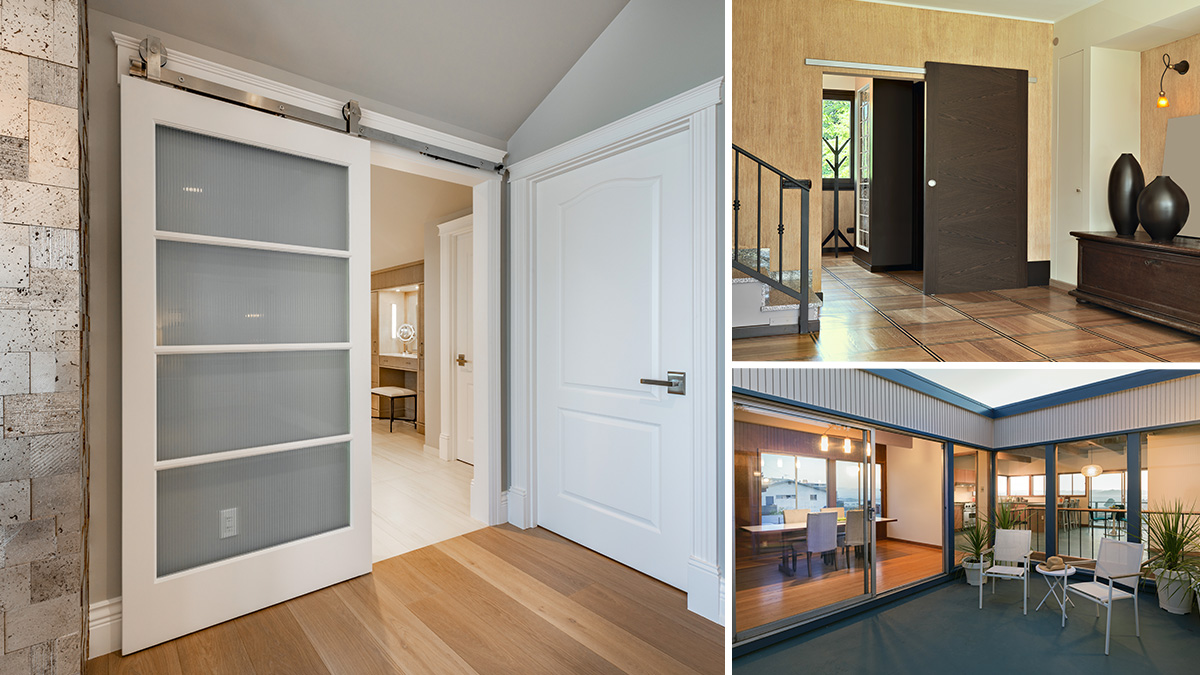
A storm door is a secondary door installed in front of your entry door. It's typically made of aluminium with a full or partial glass panel — sometimes with an interchangeable screen panel for warmer months.
Storm doors serve a few useful purposes:
- Weather protection — They shield your main entry door from direct rain, wind, and sun exposure, which can extend the life of your primary door.
- Ventilation — During those pleasant Alabama spring and autumn evenings, a storm door lets you open your entry door for airflow while keeping insects out.
- Additional insulation — A storm door creates an air buffer between outside and inside, which can improve energy efficiency — though not dramatically on its own.
So far, storm doors sound pretty great. But here's where Alabama's climate adds some important nuance.
Why Alabama's Climate Changes the Calculation
Central Alabama is hot. We're talking about summers where temperatures regularly push into the mid-to-upper 90s with humidity levels that make it feel even worse. That heat and humidity combination affects how you should think about both types of doors.
The storm door heat trap problem: In peak summer, a storm door can actually work against you. The glass panel traps heat between itself and your entry door, creating an oven effect that degrades weatherstripping, fades finishes, and — if your entry door has a fibreglass or composite core — can damage the door itself over time. Manufacturers of many high-quality entry doors actually advise against pairing them with storm doors for this reason.
The entry door is where the real insulation happens: If energy efficiency is your goal (and with Alabama utility bills, it should be), a well-insulated, properly sealed entry door — ideally ENERGY STAR certified — will do far more for your home's efficiency than a storm door added on top of a poor-fitting primary door. Fix the source of the problem first.
When a storm door does make sense in Alabama: If you have an older entry door that's still in decent structural shape, or if your front porch faces north and doesn't get direct sun exposure, a storm door can be a practical and affordable addition. It's also a good option if you value natural ventilation on cooler days and want insect protection without sacrificing airflow.
Do You Need Both?
Sometimes — but not always, and definitely not in every situation.
The homes that benefit most from having both are typically those with:
- A covered front porch that shields the storm door from direct sun
- Older entry doors that aren't ready for replacement yet
- Homeowners who love the option to open up for cross-ventilation
If you're replacing your entry door entirely with a new, energy-efficient model, you may not need a storm door at all. Modern entry doors with proper weatherstripping and multi-point locking systems are engineered to perform on their own.
Signs It's Time to Replace Your Entry Door
Not sure whether your current door is actually doing its job? Here are the red flags:
- You can feel a draft near the door frame on a hot or cold day
- You can see daylight around the edges of a closed door
- The door sticks, drags, or doesn't latch smoothly
- The finish is peeling, fading, or warping
- Your energy bills are higher than they should be
- The door is more than 15–20 years old with no significant upgrades
If any of those sound familiar, it's worth talking to a professional about energy-efficient entry doors in Alabama and what a replacement could mean for your home's comfort and monthly costs.
Ask Davis Door & Sash
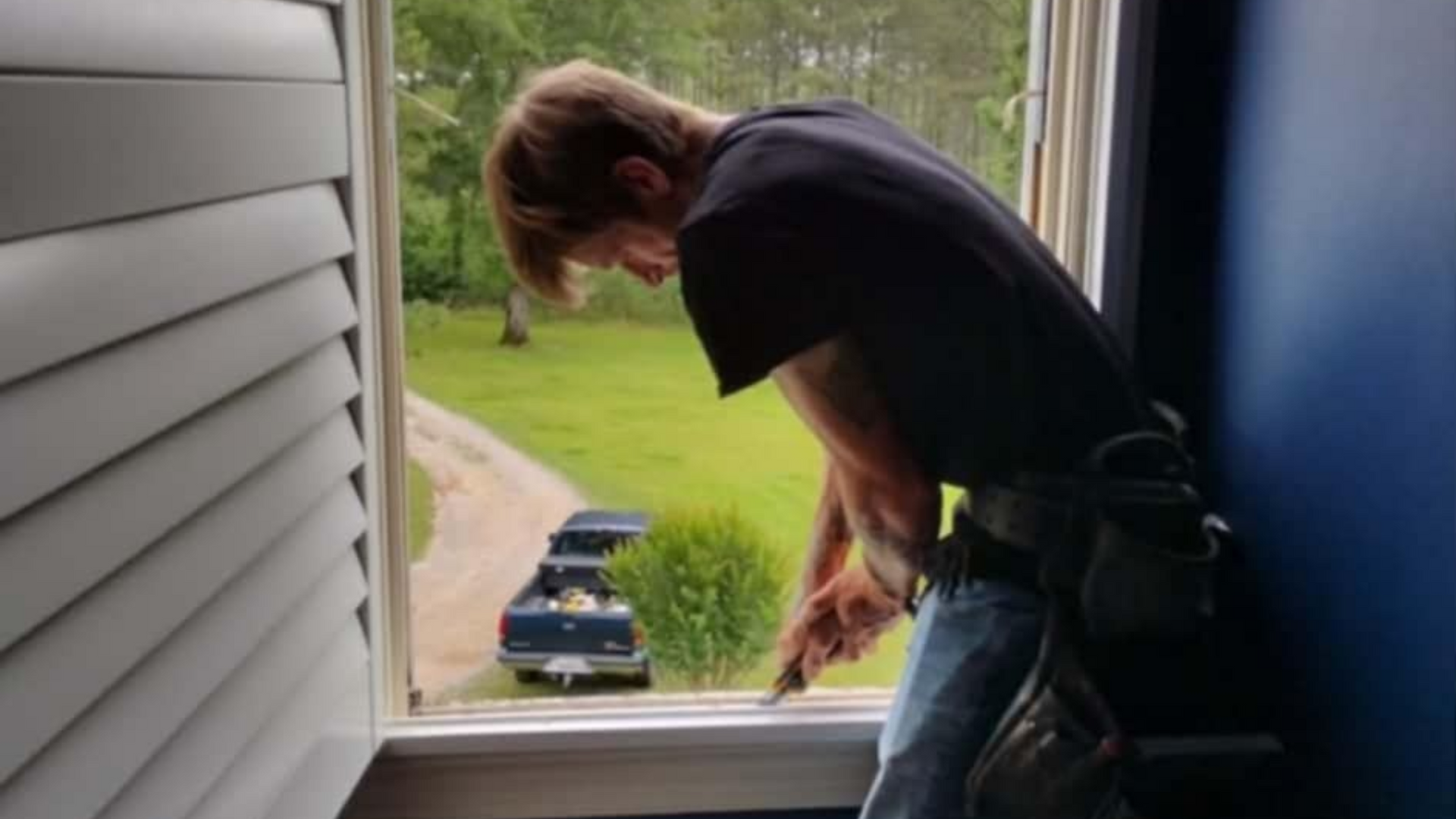
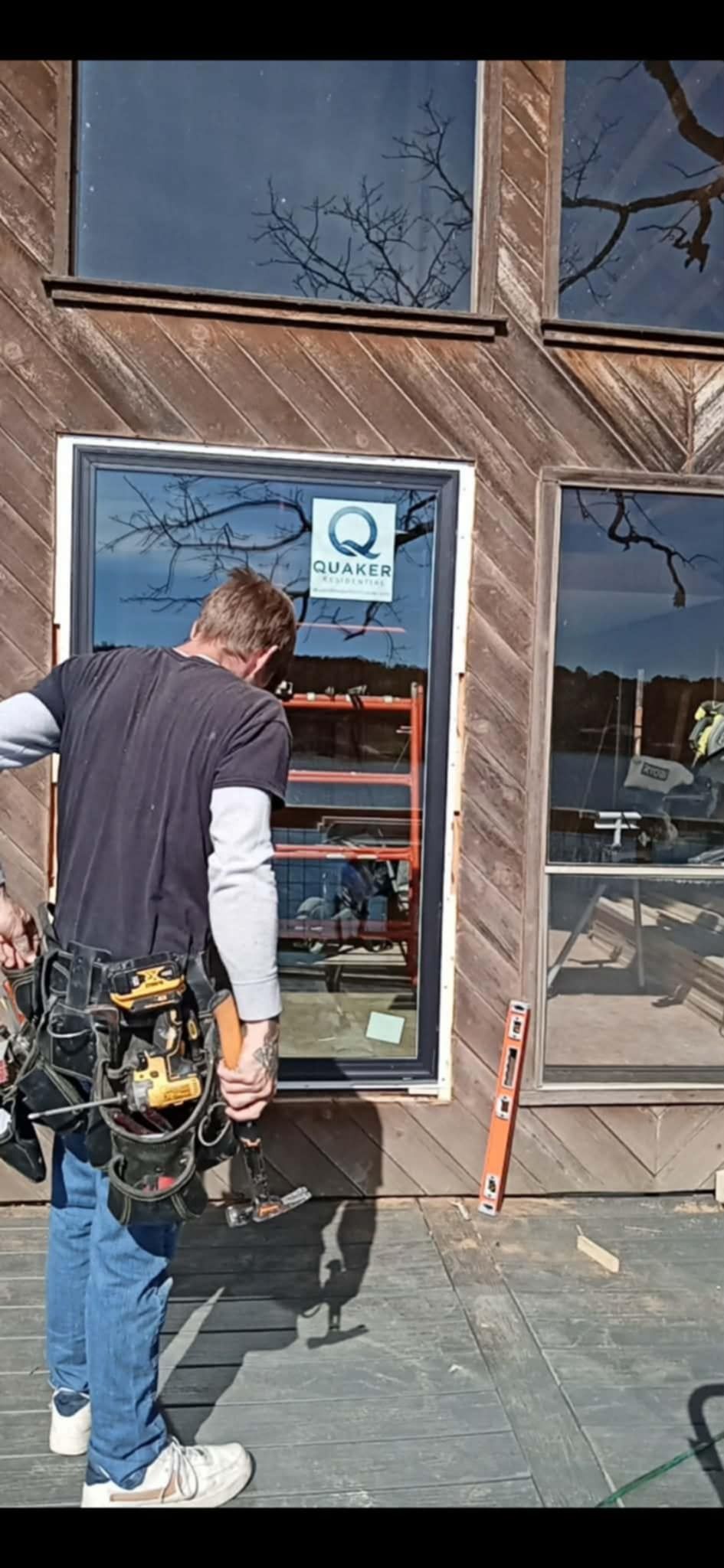
At Davis Door & Sash in Montgomery, Alabama, we've been helping homeowners navigate exactly these kinds of decisions for decades. We carry entry doors in wood, steel, and fibreglass — and we'll give you an honest assessment of whether a storm door makes sense for your specific home, or whether a quality entry door replacement is the smarter investment.
Every project starts with a conversation. Give us a call at (334) 288-6010 or stop by our showroom at 440-D Hackle Drive, Montgomery, AL. We'll walk you through your options — no pressure, just real answers.
Share this with a friend!