Beyond Curb Appeal: How Entry Door Materials Impact Energy Efficiency in Alabama Homes.

Why Your Entry Door Material Matters
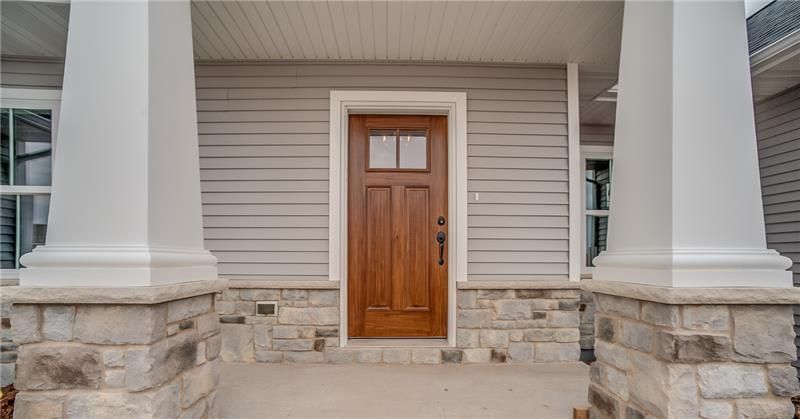
Why Your Entry Door Material Matters
Most homeowners look at color and design when choosing a new front door, but the material you select has a much bigger job. It affects insulation, security, durability, and how well your home holds up against Alabama’s heat and humidity. At Davis Door & Sash, homeowners often discover that choosing the right material pays off every single month—in lower utility bills and reduced maintenance.
When you understand how entry door materials behave in real conditions, choosing an upgrade becomes simpler and far more cost-effective.
How Alabama’s Climate Influences Door Performance
Alabama brings a mix of high humidity, intense sun, coastal moisture, and seasonal temperature swings. These conditions can cause warping, heat transfer, and early wear in poorly chosen doors. That’s why energy-efficient entry doors are becoming a priority for homeowners planning a front door upgrade in Alabama. The right material keeps conditioned air inside, resists swelling and rot, and reduces strain on your HVAC system.
Material Breakdown: Fiberglass, Steel & Wood
- Fiberglass: The Most Balanced Choice
Fiberglass is one of the top-performing entry door materials for Alabama homes. It handles humidity without warping, resists dents, and offers strong insulation thanks to its foam-filled core. Fiberglass doors also mimic the look of real wood without the upkeep. For most families, this provides the best long-term value when planning a front door upgrade in Alabama.
- Steel: Strong, Secure, and Cost-Efficient
Steel doors deliver excellent security and can be highly energy-efficient when manufactured with a proper insulated core. They perform well in shading, protect against storms, and tend to be budget-friendly. However, in coastal or high-moisture zones, they may require extra protection against surface rust.
- Wood: Classic Beauty With Higher Maintenance
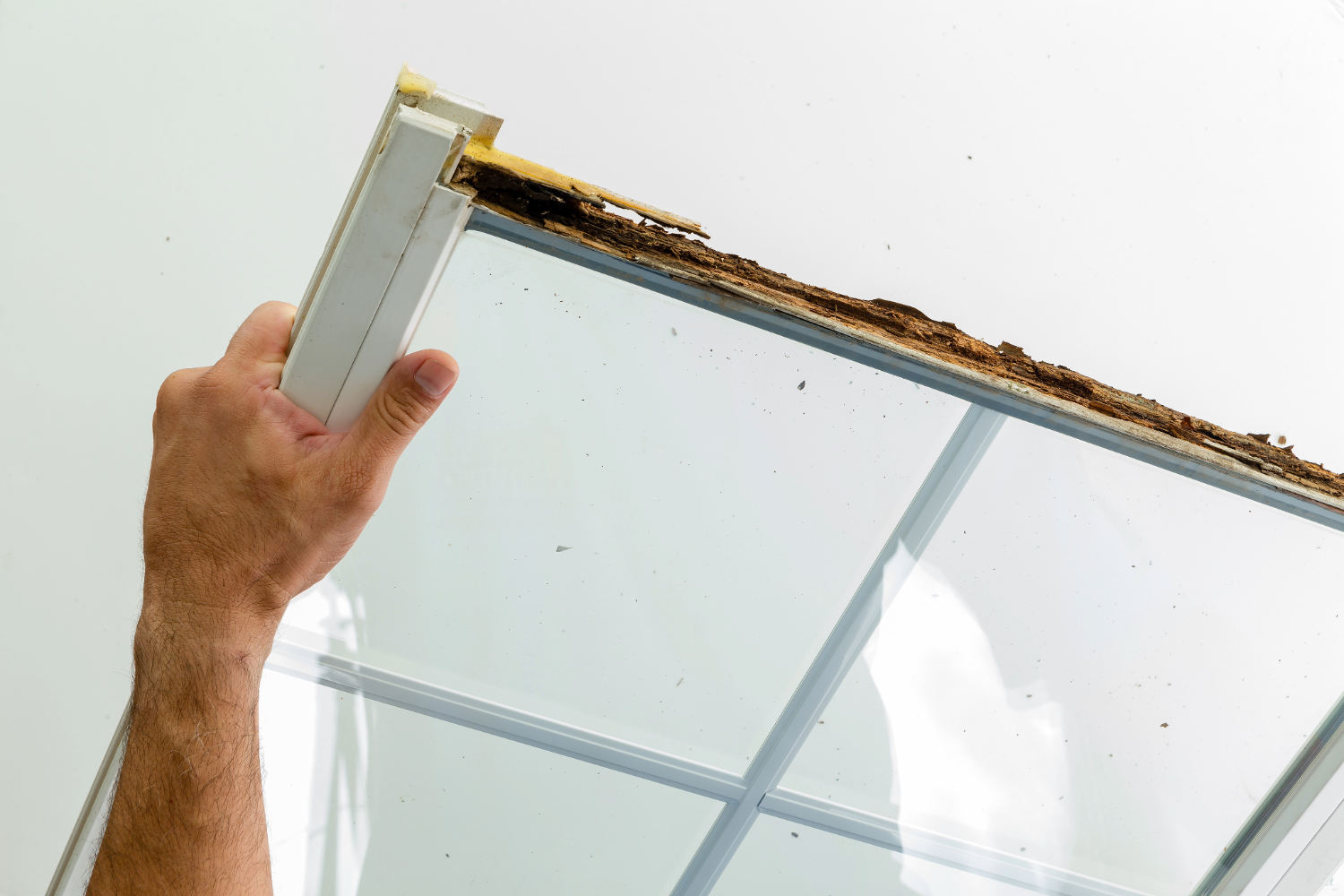
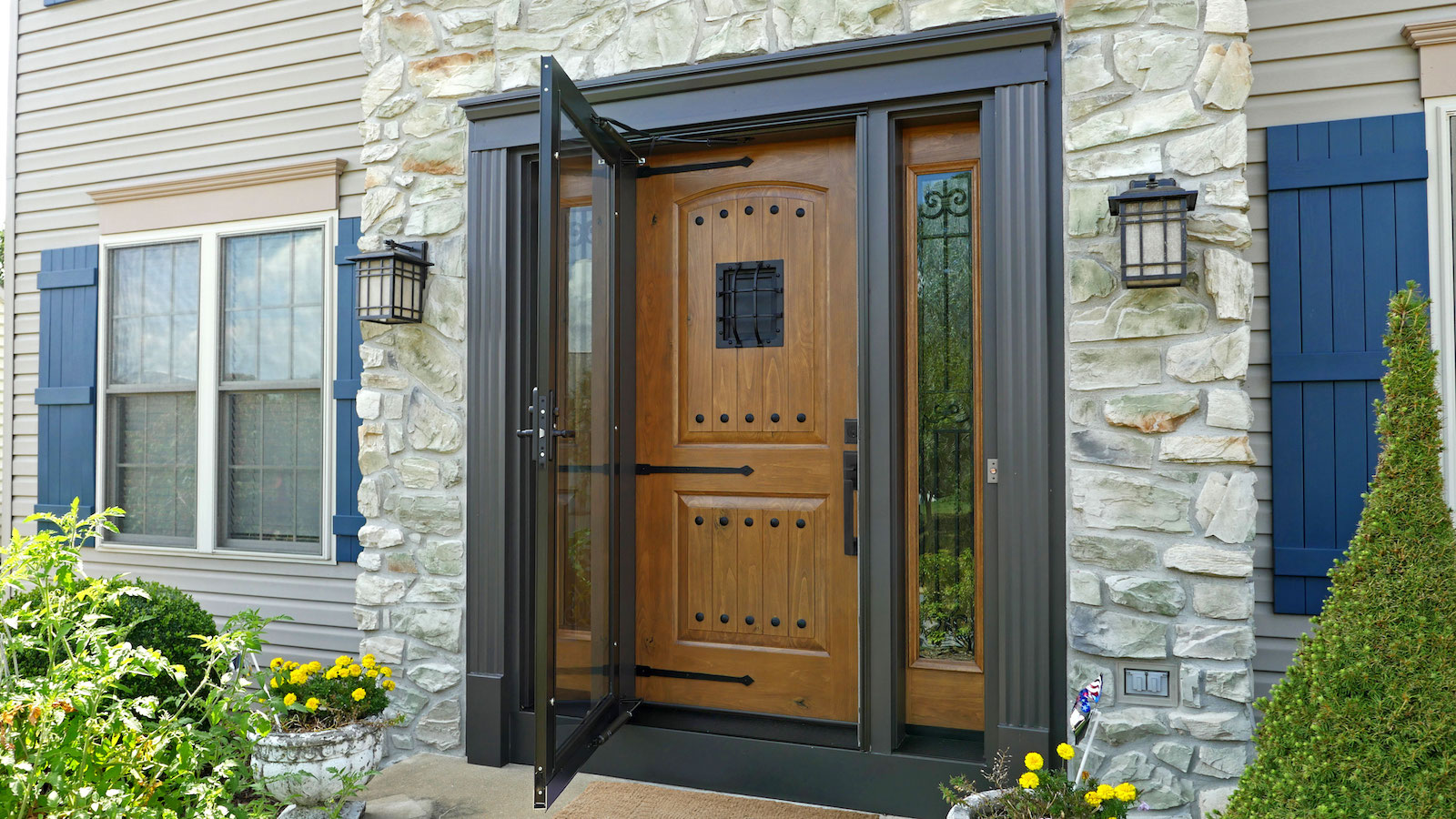
Wood remains the premium choice for curb appeal, but it demands more maintenance under Alabama’s climate conditions. Humidity, sunlight, and moisture can cause shrinking and swelling if not sealed regularly. Wood can still be energy-efficient when crafted with the right core and weatherstripping, but upkeep is essential.
Long-Term Cost Considerations
Energy efficiency isn’t only about insulation—it’s about how the door performs year after year. A poorly insulated door leads to air leaks, higher HVAC usage, and ongoing energy waste. Choosing energy-efficient entry doors reduces long-term utility costs, minimizes rotting or warping repairs, and increases home value.
FAQ
Q1. Which entry door material is best for Alabama’s humidity?
Fiberglass generally performs the best because it resists warping, swelling, and moisture damage.
Q2. Do energy-efficient entry doors really lower energy bills?
Yes. High insulation and tighter seals reduce air leakage, lowering HVAC workload and monthly utility costs.
Q3. Is steel a good option for a front door upgrade?
Steel works well for security and insulation, but it may need protective coatings in high-moisture areas.
Q4. Are wood doors still energy-efficient for Alabama homes?
They can be, but they require consistent sealing and maintenance to maintain performance.
Conclusion
Choosing the right
entry door materials does more than upgrade your curb appeal—it improves comfort, cuts energy use, and protects your home against Alabama’s challenging climate. Whether you're considering fiberglass, steel, or wood, Davis Door & Sash helps homeowners make confident decisions that deliver long-term value.
For expert guidance or to request a quote, visit our website: https://www.davisdoorandsashalabama.com/contact
Share this with a friend!